


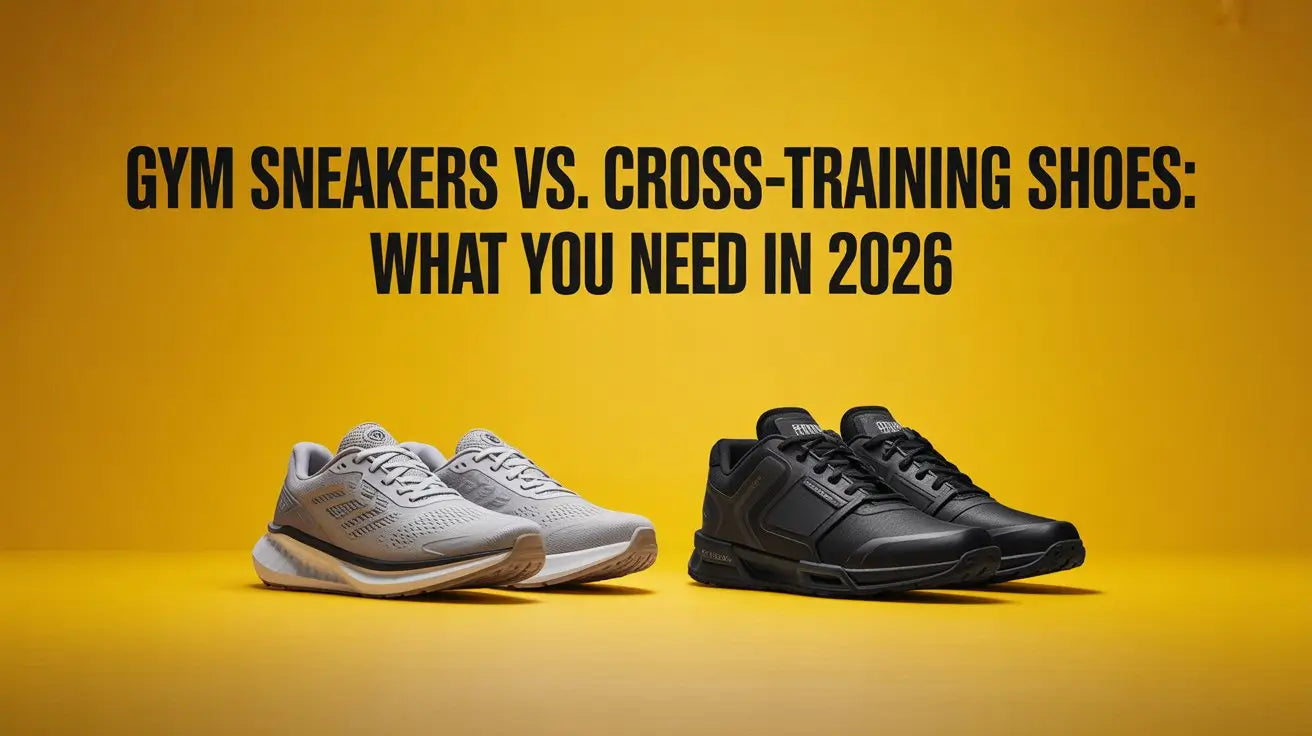
Not sure whether you need gym sneakers or cross-training shoes? You're not alone. Many guys waste money buying the wrong footwear for their workouts.
Here's the truth: gym sneakers and cross-training shoes aren't the same thing. Each serves a different purpose. In 2026, choosing the right shoe directly impacts your performance, comfort, and injury prevention.
This guide breaks down the exact differences. You'll learn which shoe matches your workout style. By the end, you'll know exactly what to buy.
What Are Gym Sneakers?

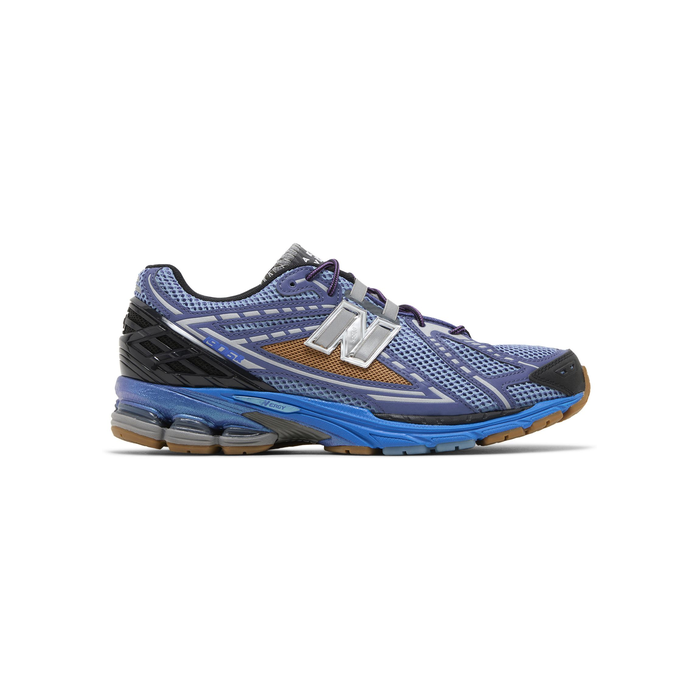
Gym sneakers are lightweight shoes designed for cardio and repetitive forward movements. They feature heavily cushioned soles that absorb impact from running, treadmills, and elliptical machines.
Key features:
- Maximum cushioning for comfort
- Flexible, minimal ankle support
- Lightweight mesh uppers for breathability
- Responsive foam technology reduces fatigue
- Price: ₹4,000–₹8,000
Best for: Running, treadmill training, elliptical, stationary cycling, cardio classes.
Gym sneakers excel when your workout involves mostly forward movement. The soft foam protects your joints during repetitive impact. The flexible sole matches your natural running stride. If you do 60 minutes of cardio, gym sneakers keep your feet comfortable.
What Are Cross-Training Shoes?

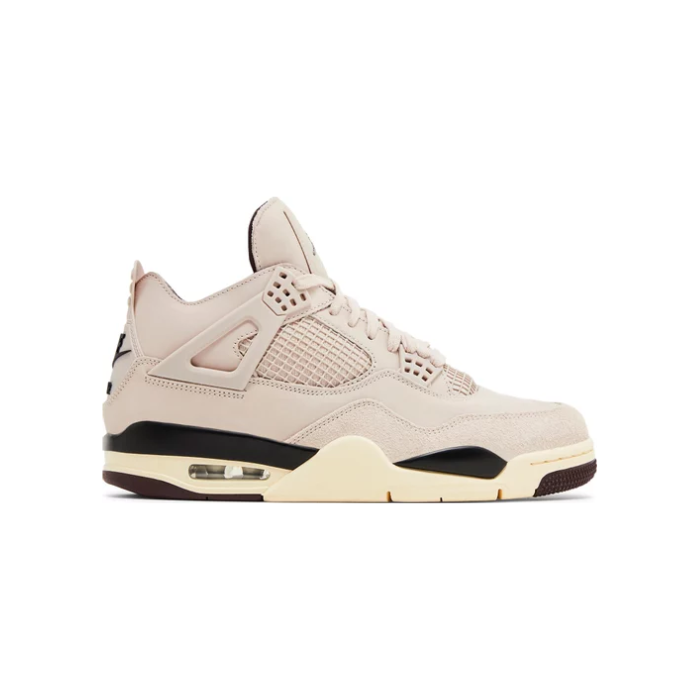
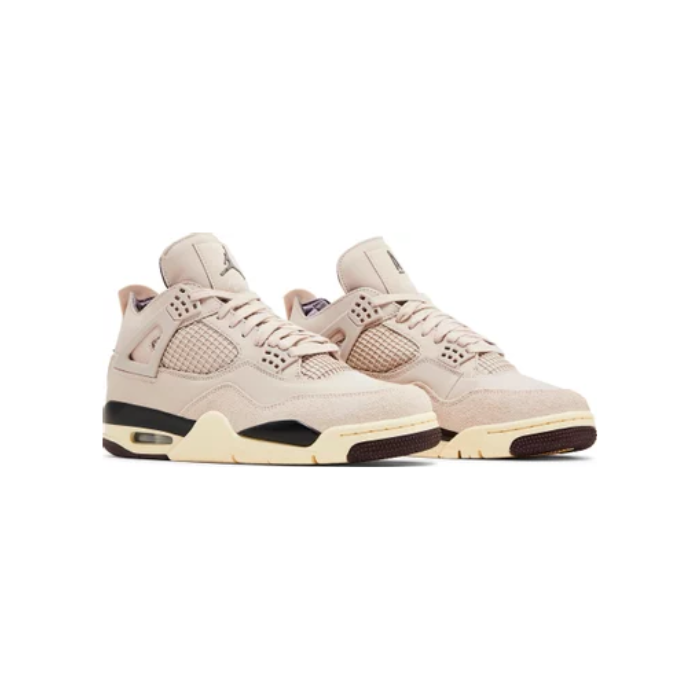
Cross-training shoes are built for multiple movement types. They handle lateral movement, jumping, weightlifting, and quick direction changes. Cross-trainers sacrifice some cushioning for stability and support.
Key features:
- Stiffer midsole for stability
- Reinforced sides for sideways movements
- Higher ankle collar for extra support
- Durable rubber outsoles
- Price: ₹6,000–₹12,000
Best for: HIIT, CrossFit, gym floor workouts, sports training, explosive movements.
Cross-trainers provide the stable platform your feet need for dynamic movements. The rigid midsole prevents rolling during lateral lunges. The reinforced construction handles jump landings and heavy lifts. The higher collar constrains your ankle, reducing injury risk.
Head-to-Head Comparison
| Feature | Gym Sneakers | Cross-Training Shoes |
|---|---|---|
| Cushioning | Maximum | Moderate |
| Stability | Minimal | High |
| Best For | Running, cardio | Mixed movements, HIIT |
| Flexibility | Very flexible | Stiffer sole |
| Ankle Support | Light | Extra support |
| Durability | Medium | High |
| Price Range | ₹4,000–₹8,000 | ₹6,000–₹12,000 |
How to Choose the Right Shoe
- If you do cardio-heavy workouts: Go with gym sneakers. You need maximum cushioning. The soft foam protects your joints during repetitive impact. Your feet will stay comfortable during long cardio sessions.
- If you do mixed workouts: Pick cross-training shoes. You need stability for lateral movements and jumping. The stiffer sole keeps your feet steady during explosive movements. Cross-trainers handle every exercise you throw at them.
- If you can buy only one pair: Choose cross-training shoes. They handle cardio reasonably well while excelling at stability. They give you more versatility across different workout types. You won't regret this choice.
2026 Trends in Workout Footwear
- Responsive foam technology: New foam compresses with less energy loss. Your foot lands with less impact shock. This reduces fatigue during long workouts.
- Lighter-weight designs: Engineers focus on reducing shoe weight. Lighter shoes mean less fatigue. Your feet don't tire as quickly during training.
- Eco-friendly materials: Brands use recycled plastics and natural rubber. Sustainability becomes a priority for environmentally conscious buyers.
- AI-designed shoe architecture: Advanced software analyzes foot pressure patterns. AI designs shoe shapes optimized for weight distribution. The result feels custom-fitted.
- Enhanced ankle support: New collar designs wrap the ankle snugly without restricting movement. Some models include molded collars and additional lacing systems.
FAQ: Quick Answers
Q: Can I use gym sneakers for cross-training?
A: Not ideal. Gym sneakers lack side support for lateral movements. You risk ankle instability during HIIT or rapid direction changes.
Q: Can I use cross-training shoes for running?
A: Yes, but they're heavier. You can run in them, but gym sneakers offer better cushioning for longer distances.
Q: How often should I replace gym sneakers?
A: Every 4–6 months of regular use or every 300–500 miles.
Q: How often should I replace cross-training shoes?
A: Every 6–8 months of regular use. They're more durable than gym sneakers.
Q: What's the best budget option?
A: Look for shoes with responsive foam technology under ₹6,000. Mid-range options from quality brands deliver excellent value.
Q: Do I need both types?
A: Not necessarily. One pair of cross-training shoes covers 80% of workout needs for most people. Gym sneakers are ideal only if running is your primary activity.
Conclusion
Here's what you need to know: gym sneakers and cross-training shoes aren't interchangeable.
Choose gym sneakers if you run or do cardio. Choose cross-training shoes if you mix workouts or hit the gym floor. If you can buy only one pair, cross-training shoes give you the most flexibility.
Explore the Hustle Culture collection for gym sneakers and cross-training shoes.
In 2026, the right shoe isn't about the brand. It's about matching the shoe to your workout style. Make this one decision correctly, and you'll feel the difference immediately.
Ready to upgrade? Choose the shoe that matches your training needs. Your feet will thank you.