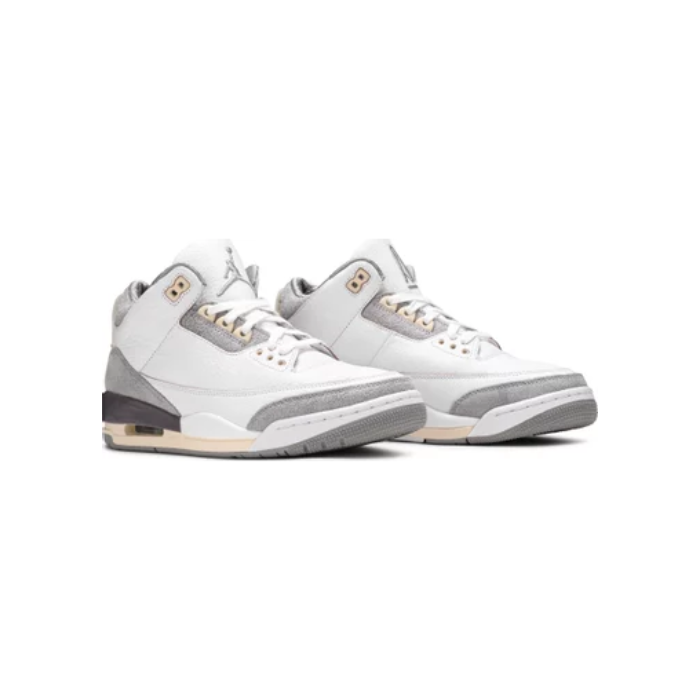
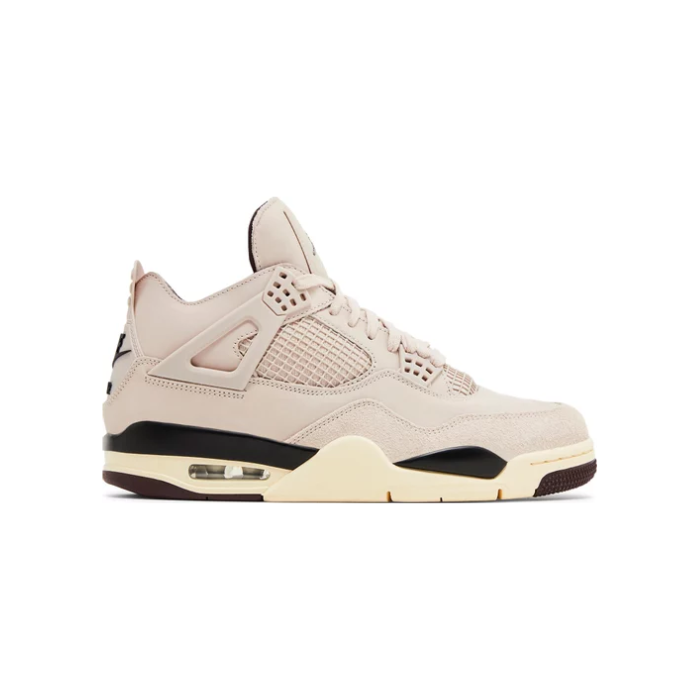
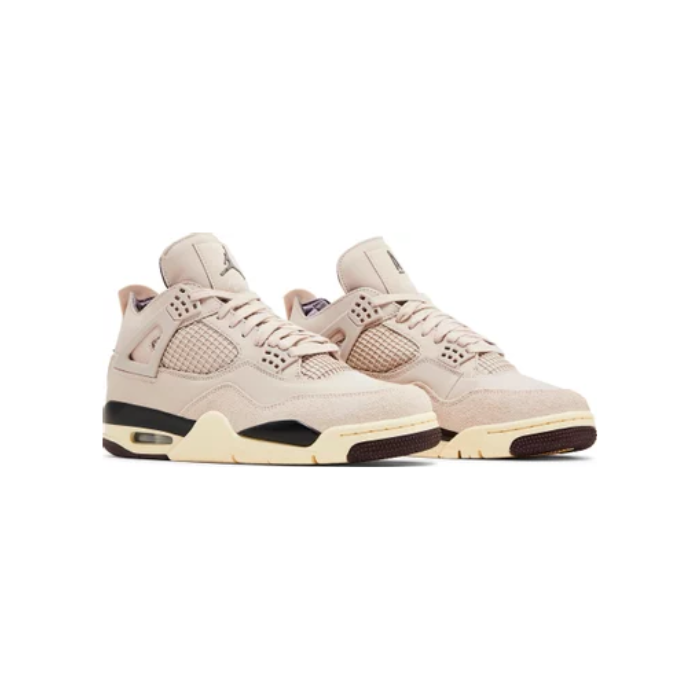
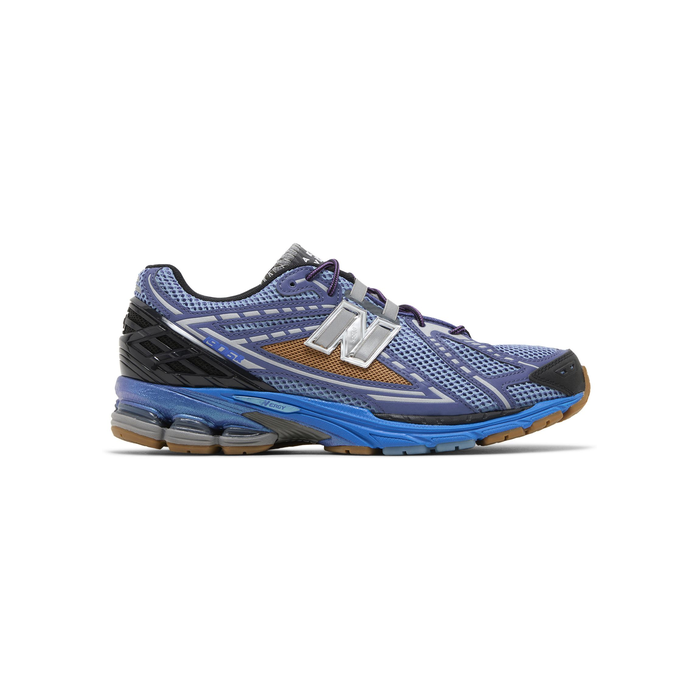
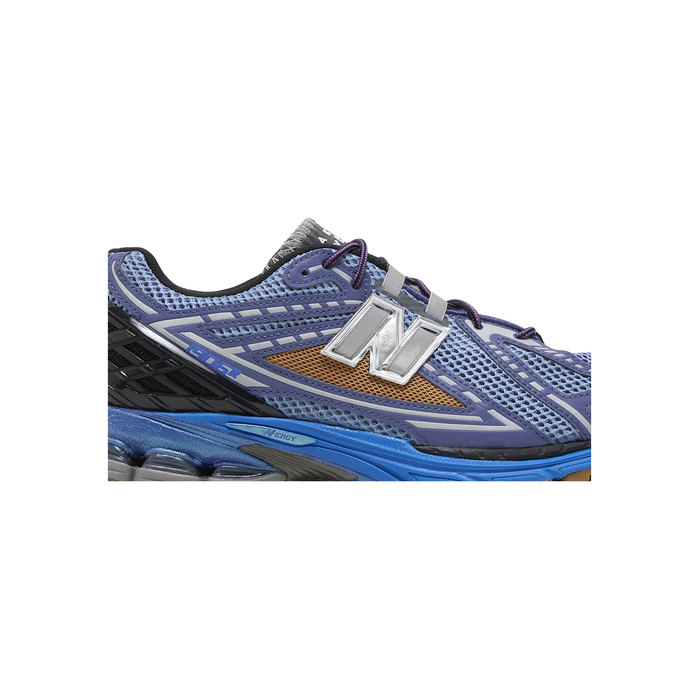
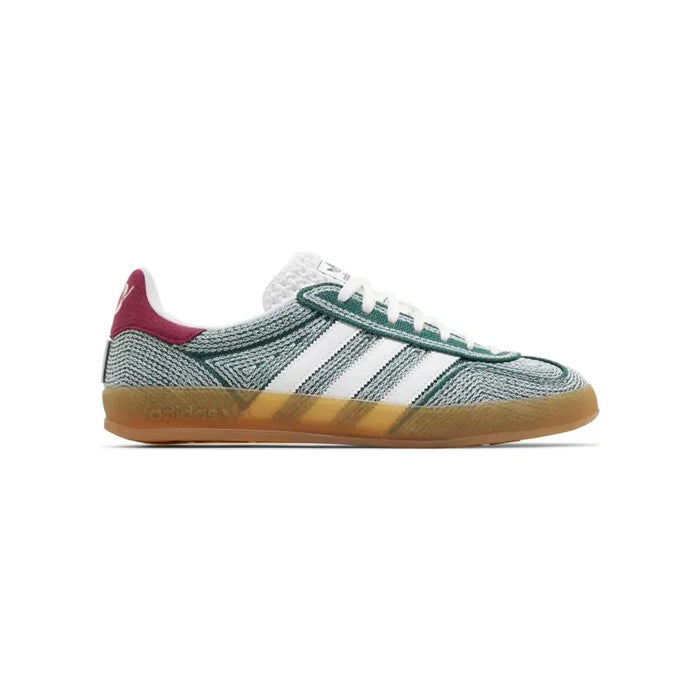
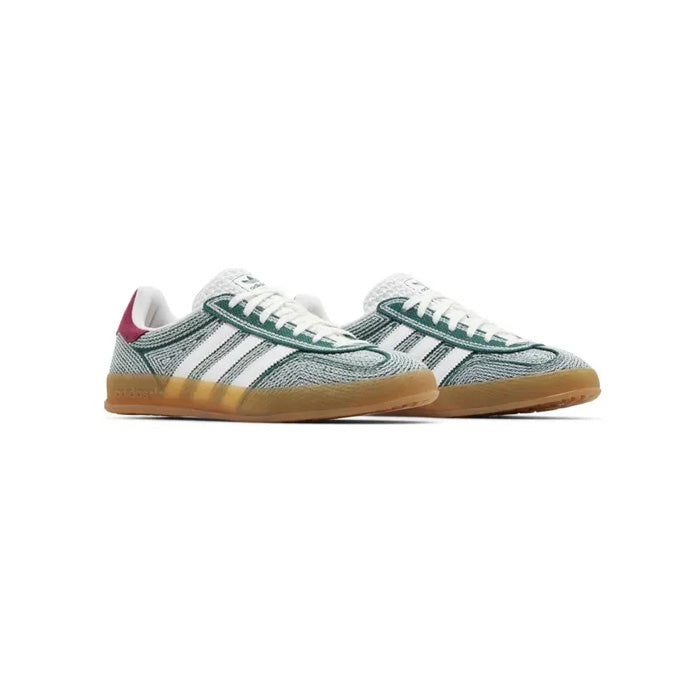
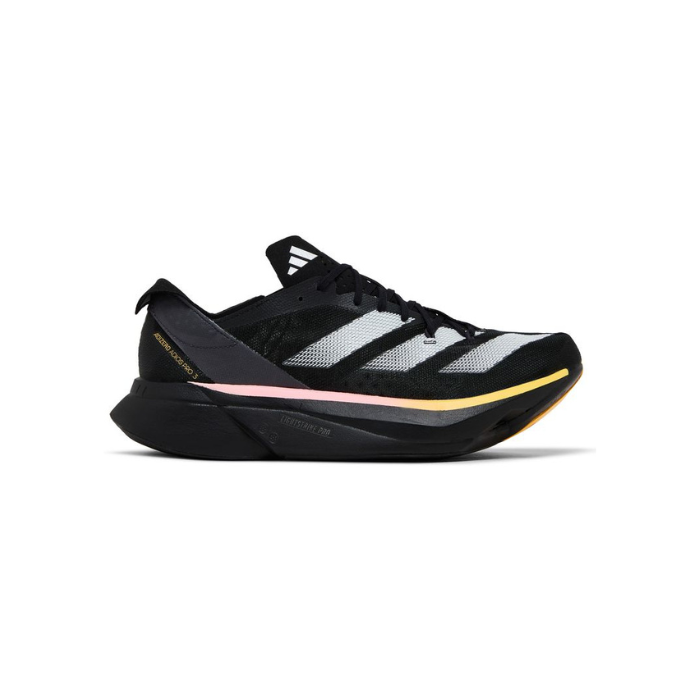
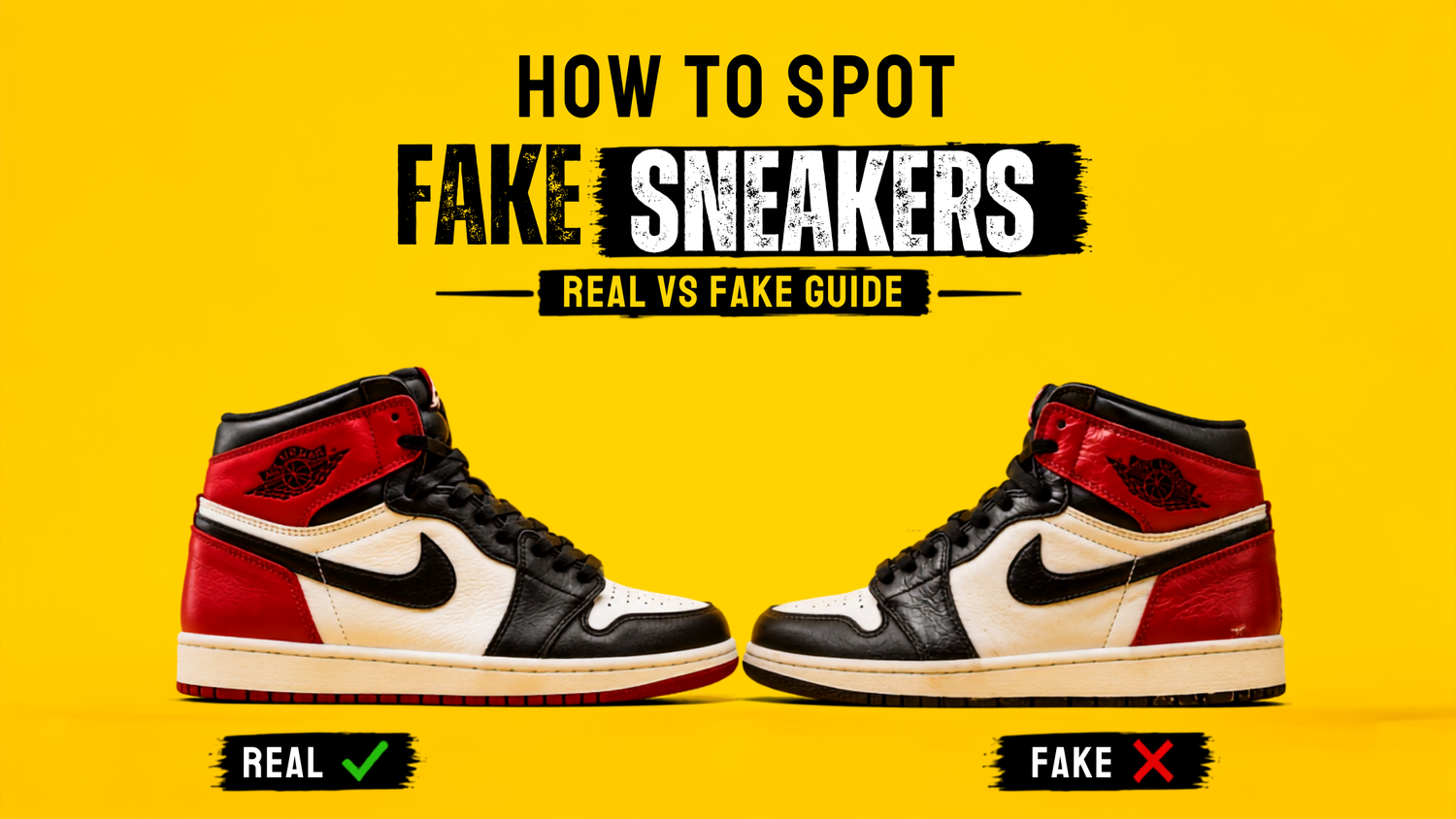
To quickly spot fake sneakers, check the price against the market rate, inspect the box for a matching SKU code and sharp printing, run your fingers along the stitching for loose threads or excess glue, and compare the logo font and sole texture against official images.
Counterfeit sneakers have gotten better over the years, but they still slip up somewhere. This guide walks you through exactly where to look, so you can tell real vs fake shoes apart before you spend your money.
Why Sneaker Authentication Matters More in 2026
India's sneaker market has grown fast, and counterfeit sneakers have grown right along with it. Limited editions, resale platforms, and social media drops have made it easier than ever to buy a pair without physically checking it first.
That convenience is exactly what counterfeiters count on. So knowing how to verify sneaker authenticity isn't optional anymore. It's basic buyer protection.
Check the Price First

If the deal looks too good to be true, it usually is.
Authentic sneakers, especially limited releases, rarely see heavy discounts. Genuine retailers follow set retail pricing, and resale prices track closely with market demand.
Red flags on pricing:
- A rare or hyped pair priced far below market value
- A seller who's "willing to negotiate" heavily on a limited edition
- Prices that swing wildly between listings from the same seller
Inspect the Box and Packaging
Packaging is one of the easiest ways to catch counterfeit sneakers early.
Genuine boxes feel sturdy, the printing is crisp, and the label matches the shoe inside down to the SKU code. Fake boxes often use thinner cardboard, blurry logos, and mismatched size tags.
What to check on the box:
- SKU code matches the label inside the shoe
- Logo printing is sharp, not smudged or pixelated
- Font and spacing match official brand packaging
Examine Stitching, Materials, and Glue Work
This is where counterfeit sneakers fall apart, sometimes literally.
Authentic sneakers use consistent stitching, clean glue lines, and premium materials that feel a certain way in hand. Fakes often cut corners here because good materials cost more to source.
Run your fingers along the seams. If the stitching looks uneven, threads are loose, or there's visible glue residue, that's a strong sign you're not holding an authentic sneaker for men or women.
Study the Logo and Branding Details
Brand logos are surprisingly hard to fake perfectly, which makes them one of the best sneaker authentication checkpoints.
Compare the logo on your pair against official images from the brand's website. Look closely at:
- Font weight – too thick or too thin compared to the original
- Alignment – slightly tilted or off-center placement
- Spelling – yes, misspelled brand names on fakes happen more often than you'd expect
Don't Skip the Sole

The outsole rarely gets checked, but it gives away a lot.
Authentic soles have precise moulding, clean tread patterns, and a certain firmness that comes from proper cushioning tech, like Adidas Boost or Nike Air units. Fake soles often feel too hard, too soft, or strangely light, since counterfeiters can't replicate that cushioning cheaply.
Bend the shoe slightly too. A genuine pair flexes naturally. A counterfeit tends to feel either too stiff or oddly floppy.
Buy From a Verified Source
Every check above matters, but the easiest way to avoid buying fake sneakers is to buy from a source that's already done the verification for you.
This becomes even more important with heavily counterfeited silhouettes like the Air Jordan 1, Nike Dunks, and anything from the Yeezy line, where fakes are produced at scale because demand is so high. If you're eyeing something in that space, our breakdown of whether Adidas Yeezy shoes are still worth buying in 2026 also covers why authentication matters more now that Adidas has stopped producing new stock.
At Hustle Culture, every pair goes through an in-house 3-step verification process before it ships, so you're not left guessing whether your sneakers are real or fake. If you're building out a collection on a budget, our list of sneakers under ₹20,000 is also a good place to start, since every pair there is checked the same way.
FAQs
What's the fastest way to spot a fake sneaker?
Check the price first. Authentic sneakers, especially limited editions, rarely sell far below market value.
Can fake sneakers look identical to authentic ones?
Some counterfeits get very close, but stitching quality, sole material, and logo precision almost always give them away on close inspection.
Is buying from resale platforms safe?
It can be, if the seller or platform offers verified authentication. Always ask for close-up photos of the box, tags, and stitching before buying.
Do fake sneakers use the same materials as real ones?
No. Counterfeiters typically use cheaper materials that feel different in hand, especially in the sole cushioning and upper fabric.
How can I verify sneaker authenticity before buying online?
Buy from sellers who authenticate every pair before shipping, and cross-check SKU codes, logos, and packaging against official brand images.